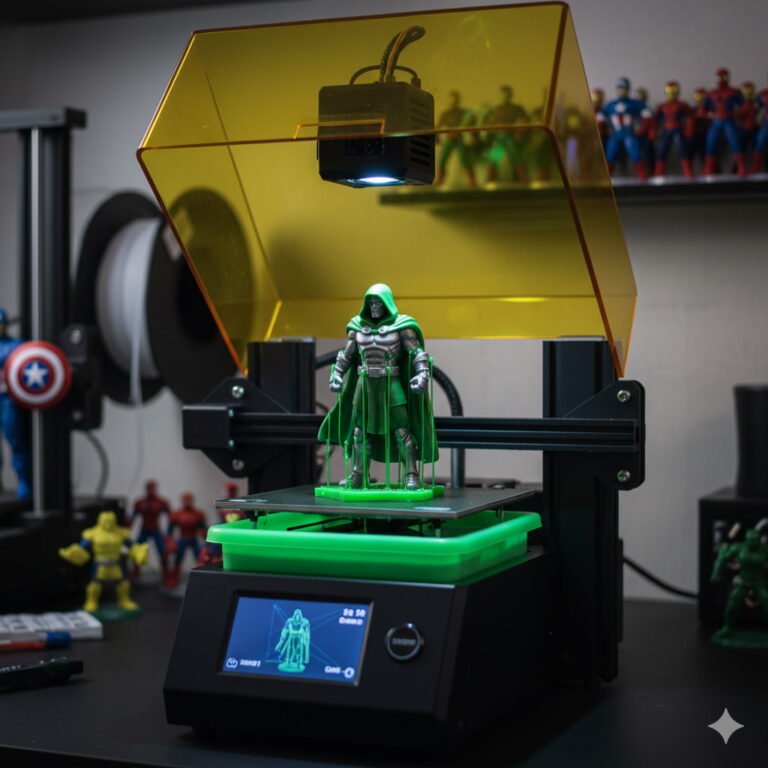
My First FDM Prints from the Local Library
What Worked, What Didn’t, and What It Taught Me
This was my first time sending a 3D print to a machine I didn’t control, using settings I barely understood, for miniatures that demand precision.
Nothing catastrophically failed — but almost every assumption I made was wrong.
One FDM mini worked because it was large.
One failed because hero-scale punishes thin details.
I learned color choice, scale control, and printer limits the hard way.
The Setup
I uploaded the files, checked the box that said “library may choose color,” and waited.
That choice mattered more than I expected.
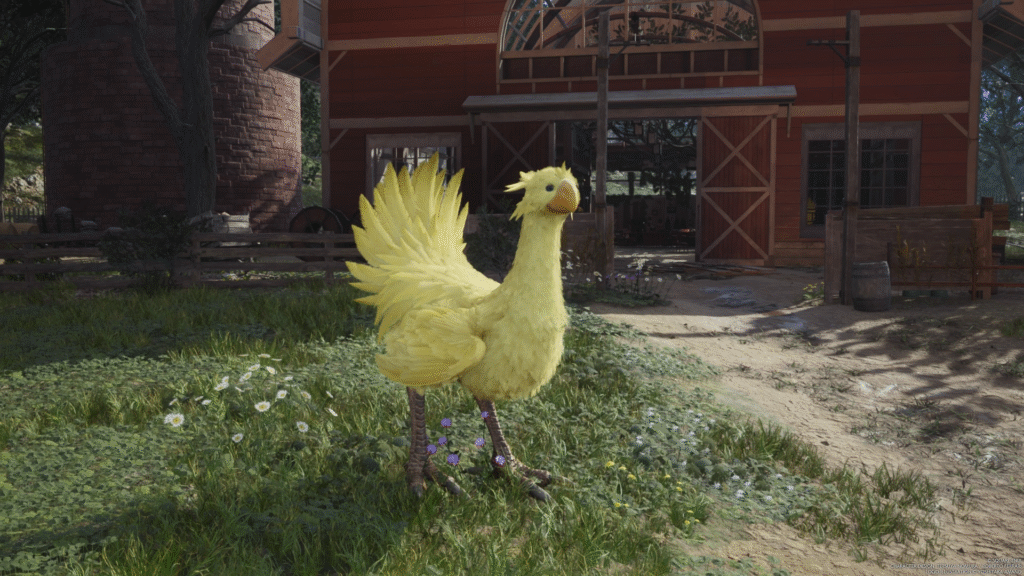
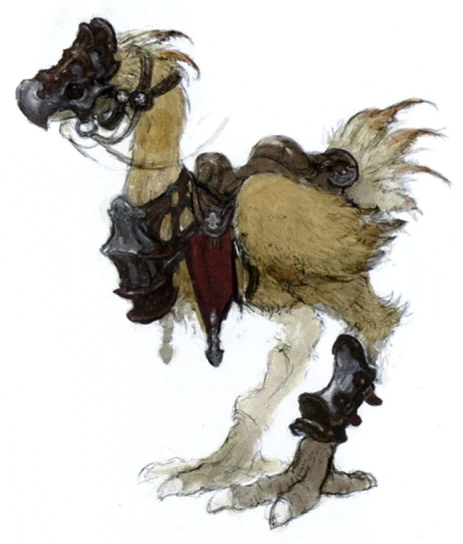
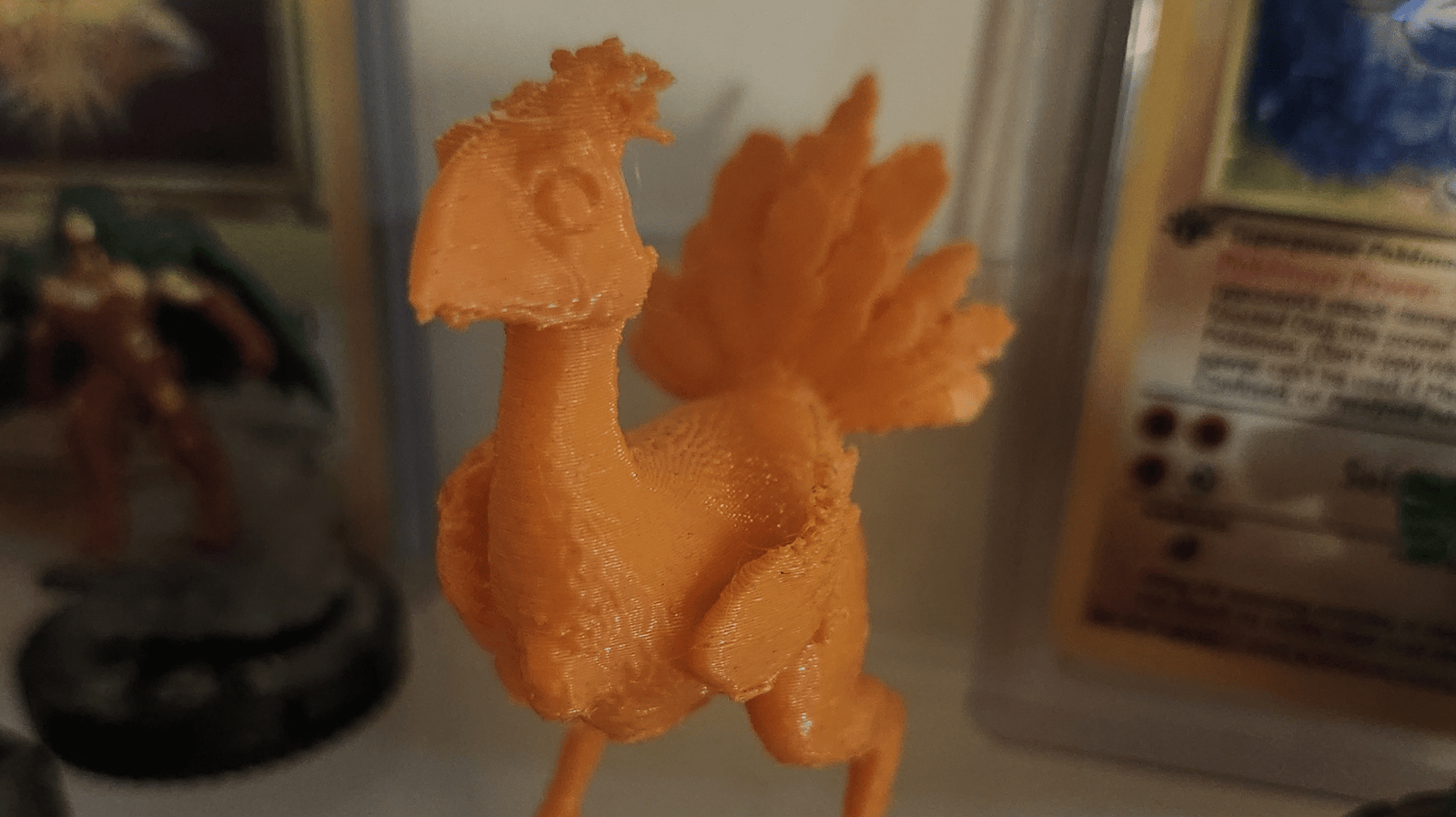
Print #1: The Chocobo (Mostly a Win)
The Chocobo turned out okay.
Not perfect. Not ideal. But functional.
What Worked
The model printed cleanly
Details survived because the model was larger
At tabletop distance, it reads correctly
It’s solid enough to actually use on a board
What Went Wrong
I haven’t painted it yet.
I probably won’t.
Between the color and the scale mismatch, it’s likely staying a shelf display piece, not a game piece.
Lessons Learned
Large models forgive FDM limitations.
Color matters before the print, not after.
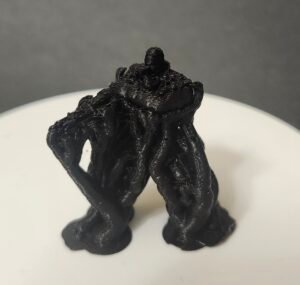
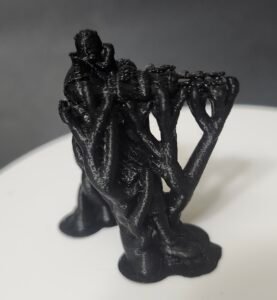
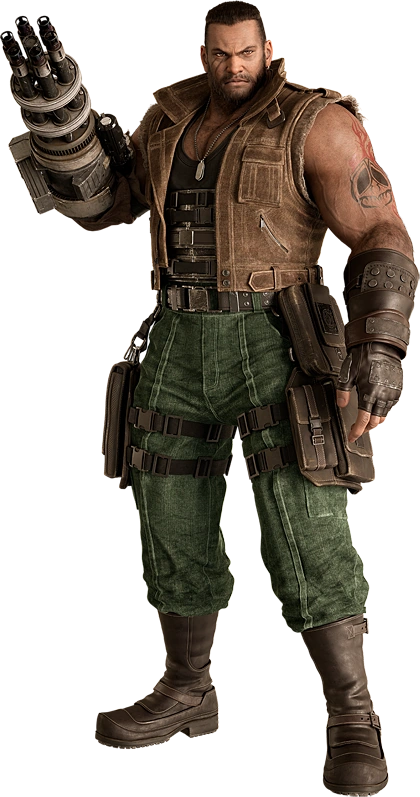
Print #2: Barret Wallace (Technically Printed, Practically Failed)
Barret was where the cracks showed.
The Big Problem: Scale
He came out too small.
At the time:
So I just… sent it.
The Fatal Detail: The Gun Arm
Barret’s gatling gun barrels were too thin for FDM printing at that scale.
What I should have done (but didn’t know how yet):
Instead, I learned the hard way that: What looks fine on a monitor does not survive a nozzle.
Color, Again…
Same mistake as before:
Flat black is:
That one checkbox cost me post-processing flexibility twice.
The Big Takeaway: FDM vs Miniatures
This test answered a bigger question I didn’t even know I was asking.
What FDM Is Good At:
Larger figures
Terrain
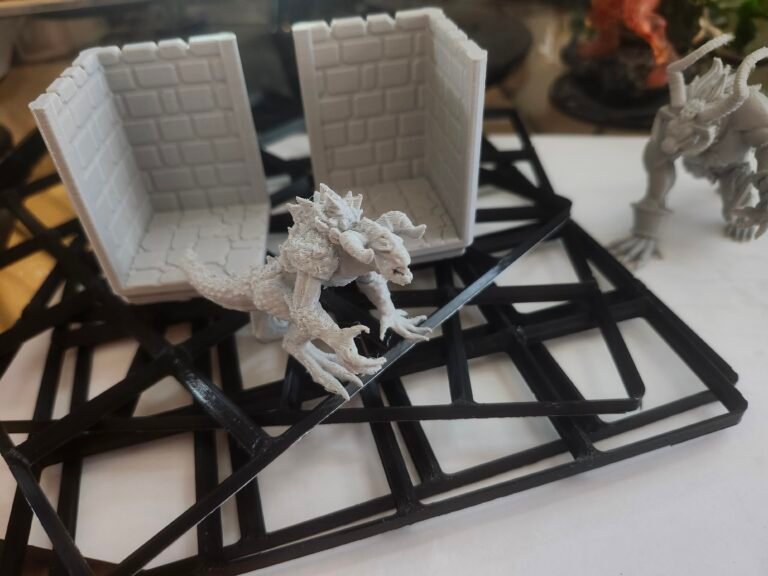
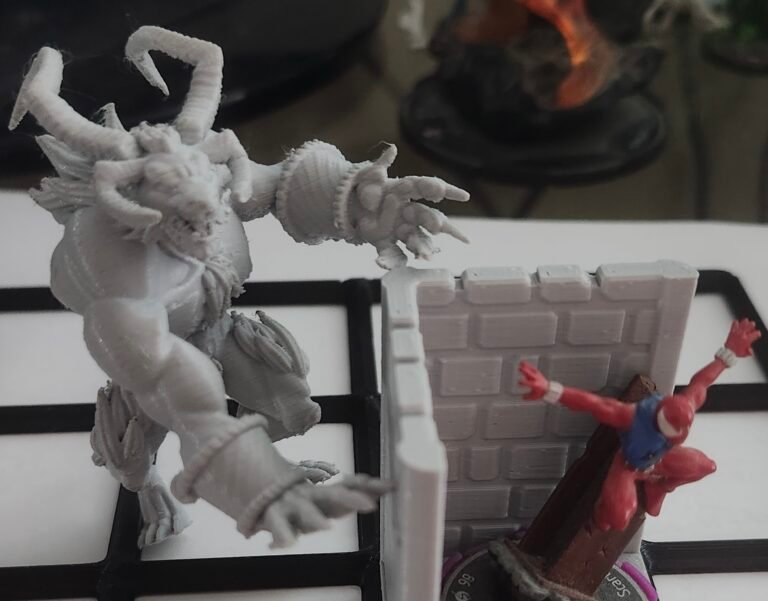
Creatures
Props
Shelf pieces
What FDM Struggles With
Standard 32mm hero-scale minis
Thin weapons
Small facial detail
Gun barrels, fingers, fine edges
The Chocobo survived because it was bigger.
Barret failed because he was exactly the scale FDM hates.
What This Test Taught Me
This wasn’t a waste. It clarified the path forward.
Concrete Lessons
The Realization
If I want proper 32mm tabletop miniatures, I have two options:
Use a resin printing service
Eventually buy a resin printer myself (when the money makes sense)
FDM got me started.
Resin is where the real mini work lives.
Final Thoughts
Nothing catastrophically failed.
But nothing came out exactly how I imagined either.
And that’s kind of the point.
This first test wasn’t about perfection — it was about learning where the edges are. The library service did its job. The printer did its job. The mistakes were mine, and I’m keeping them visible.
That’s the shop-floor reality of 3D printing:
You don’t get clean wins.
You get usable parts and better questions.
Next article, I’ll be digging into scaling models properly for tabletop use and how I’m starting to fix these problems before the print button gets clicked.